
Made in Italy
Selecting furniture is about more than filling a space. It means choosing designs made with integrity, built to last, and meant to be lived with daily. Authentic Italian quality is defined by discipline, premium materials, and manufacturing expertise. When furniture is made in Italy, it reflects rigorous production standards, advanced engineering, and a commitment to lasting performance.
At room service 360°, our philosophy is rooted in authenticity. We focus on modern Italian furniture produced to the highest standards, ensuring durability and lasting style. Our collections support real homes and real routines within living and dining spaces, bedrooms, offices and outdoors. From consultation to installation, we guide you through materials, proportions, and layouts so each selection feels right and intentional within your space.
Materials
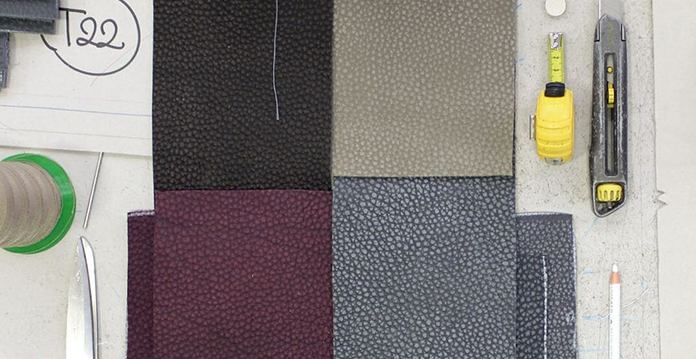
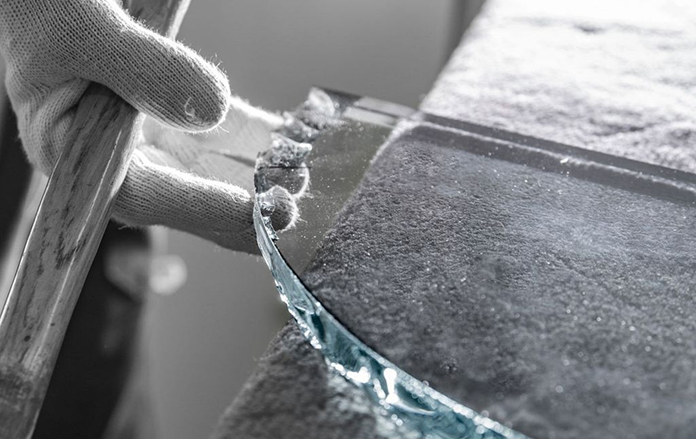
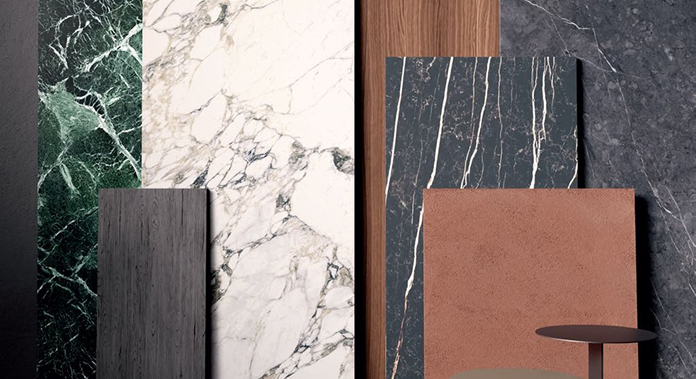
Exceptional furniture begins with exceptional materials. High caliber lacquers applied in multiple layers, sumptuous leathers, luxurious fabrics, solid woods, carefully selected veneers, and thick tempered glass all contribute to furniture designed for durability and visual impact. Structural components are equally important. Multi density foams, feather filled cushions, reinforced metal frames, and advanced suspension systems improve both comfort and long term performance. The finishing process, from carefully polished wood to naturally treated leathers, enhances the depth, texture, and character that define high end furniture.
Craftsmanship
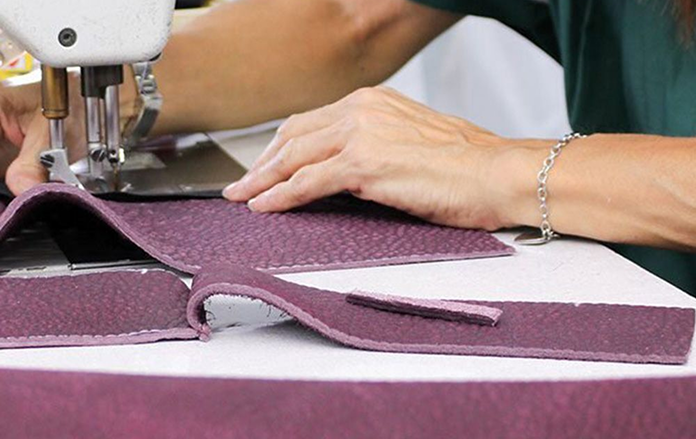
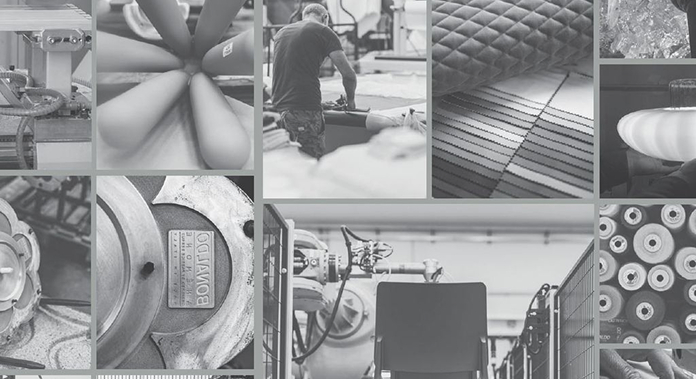
The production process is where craftsmanship becomes visible. Skilled artisans handle many stages of construction, ensuring precision and consistency throughout. Many details are completed by hand, including hand stitching on sofas and sectionals, lounge chairs, and other living room furniture, which reflects the vast level of care involved in Italian manufacturing. Cabinetry and case goods are built with the same attention to detail, often featuring fully finished interiors so that drawers and cabinets inside sideboards and other storage bedroom furniture look as complete on the inside as they do on the outside. Innovative extension mechanisms in dining tables and precision joinery throughout the structure demonstrate the engineering behind the design. Details such as soft closing systems, carefully aligned upholstery, and consistent lacquer finishes further highlight the difference between standard manufacturing and true Italian craftsmanship.
Design and Innovation
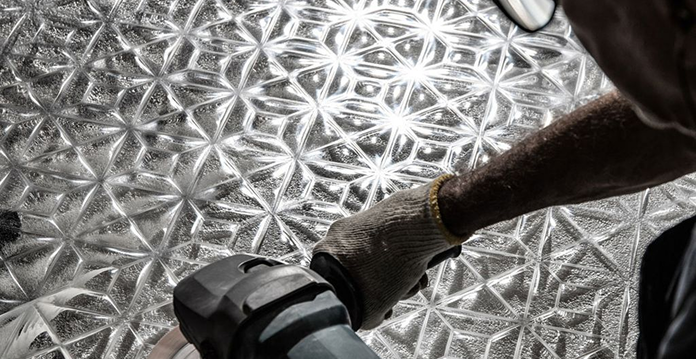
Italian contemporary furniture combines technical expertise with advanced design, while always considering how the furniture will function in everyday life. Close collaboration between manufacturers and leading designers allows for the development of forms that are visually distinctive but also practical for daily use. New materials, engineering solutions, and production technologies make it possible to create sophisticated mechanisms, adaptable forms, and durable structures. The result is furniture that balances design, comfort, and functionality while maintaining a strong architectural presence within the interior.
Customization
Made in Italy furniture stands apart for its unparalleled level of customization, where every design is made to order rather than mass produced, allowing for precise control over dimensions, materials, finishes, and detailing. This tailored approach ensures that each creation is not only distinctive but also aligned with the client's exact vision and space. Because each item is individually produced and then transported internationally, the process naturally requires a longer timeline, with lead times typically ranging from 12 to 16 weeks, encompassing both production and cross-continental shipping. This extended timeframe reflects a commitment to authenticity, precision, and enduring quality
Lead Time
Made in Italy furniture reflects a made to order production model, where each design is carefully produced rather than pulled from inventory, resulting in a more considered and refined outcome. This level of attention naturally requires time, with standard lead times of approximately 12 to 16 weeks to account for both production and cross continental shipping. These timelines can extend slightly during August, when many Italian factories close for traditional summer holidays, and again during the Christmas season when production slows. Rather than a delay, this rhythm underscores an industry rooted in heritage, craftsmanship, and a commitment to quality that cannot be rushed.